


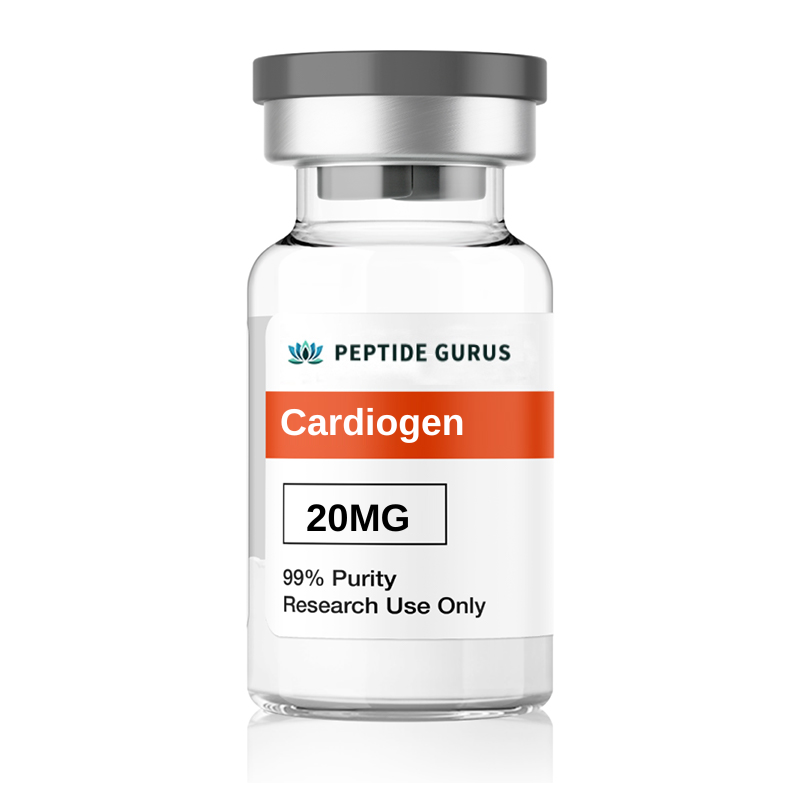
Pinealon 16mg (Bioregulator)
$500.00
1000 in stock
🔥 Exclusive Crypto Offer
Get an INSTANT 15% DISCOUNT when you pay with Bitcoin, Ethereum, Dogecoin, Bitcoin Cash, XRP, Solana, or USDT.
⚡ Don't have crypto? Buy it here in 5 minutes with easy guidance.
💡 Pro Tip: You can also pay with cryptocurrency using your verified Cash App or PayPal account for a fast and secure checkout!
Pinealon 16mg is a synthetic peptide designed to enhance brain function, improve memory, and protect against neurodegenerative diseases. It is known for its neuroprotective and cognitive-enhancing properties. Pinealon is often used for supporting brain health, improving cognitive abilities, and helping to counteract the effects of aging on the brain.
Key Properties and Uses of Pinealon 16mg:
-
Cognitive Enhancement:
- Pinealon is primarily used for its ability to enhance cognitive functions such as memory, learning, and concentration. It has been shown to support the production of key neurotransmitters involved in memory and mental clarity, making it useful for improving mental performance.
-
Neuroprotection:
- One of the most significant benefits of Pinealon is its neuroprotective properties. It helps protect neurons from oxidative stress, which is a leading cause of neurodegenerative diseases like Alzheimer’s and Parkinson’s. This peptide supports long-term brain health and can help reduce the risk of cognitive decline.
-
Anti-Aging Effects:
- Pinealon has been studied for its potential to slow the aging process in the brain. By promoting cellular repair and regeneration, it helps mitigate the cognitive effects of aging, maintaining mental sharpness and preventing age-related memory loss.
-
Mood Regulation:
- In addition to its cognitive benefits, Pinealon has also been shown to support mood regulation. It may help reduce symptoms of anxiety and depression by modulating neurotransmitters such as serotonin and dopamine, which are essential for emotional well-being.
-
Recovery from Brain Injury:
- Pinealon is sometimes used in the recovery process after traumatic brain injuries (TBI). It aids in accelerating the healing of brain tissues and improving overall brain function during the recovery phase.
-
Enhances Synaptic Plasticity:
- Pinealon works by improving synaptic plasticity, which is essential for the brain’s ability to adapt to new learning and experiences. This makes it valuable for individuals looking to boost their memory capacity and brain adaptability.
Administration and Dosage:
-
Administration: Pinealon 16mg is typically administered via subcutaneous injection. This method ensures that the peptide is absorbed efficiently into the bloodstream for targeted action on brain cells.
-
Dosage: The recommended dosage of Pinealon is typically 16mg per injection, with the frequency and duration of use varying based on individual goals and health needs. It’s important to follow medical guidance for appropriate usage, especially for those using it to manage cognitive decline or neurodegenerative conditions.
Considerations and Warnings:
-
Side Effects: Pinealon is generally well-tolerated, but some individuals may experience mild side effects such as headache, dizziness, or slight discomfort at the injection site. These are typically temporary and subside as the body adjusts to the peptide.
-
Medical Supervision: Due to the effects on brain function, Pinealon should be used under the supervision of a healthcare provider, especially for individuals with pre-existing neurological conditions or those undergoing cognitive health treatments.
-
Regulatory Status: While Pinealon has shown promise in various studies, it may not be widely approved for clinical use in all regions. It is often marketed as a research peptide, and its use should comply with local regulations.
Summary:
Pinealon 16mg offers a targeted approach to improving cognitive function, protecting against neurodegenerative diseases, and supporting overall brain health. Its neuroprotective and cognitive-enhancing properties make it valuable for both healthy individuals and those dealing with age-related cognitive decline. However, due to its potent biological effects, it should be used with medical oversight.
Free (1) 30 ml Bacteriostatic Water
with qualified orders over $500 USD. (excludes capsule products, cosmetic peptides, promo codes and shipping)
Pinealon is a synthetic peptide just three amino acids in length. It has been shown to modify behavior and protect a number of cell types against the effects of hypoxia. It has undergone extensive research for its ability to alter circadian rhythm, improve memory, and enhance learning. It has been shown to offset the effects of aging, particularly in the central nervous system, and may be useful in treating cognitive disorders like Alzheimer’s disease. Product Usage: This PRODUCT IS INTENDED AS A RESEARCH CHEMICAL ONLY. This designation allows the use of research chemicals strictly for in vitro testing and laboratory experimentation only. All product information available on this website is for educational purposes only. Bodily introduction of any kind into humans or animals is strictly forbidden by law. This product should only be handled by licensed, qualified professionals. This product is not a drug, food, or cosmetic and may not be misbranded, misused or mislabled as a drug, food or cosmetic.
What Is Pinealon?
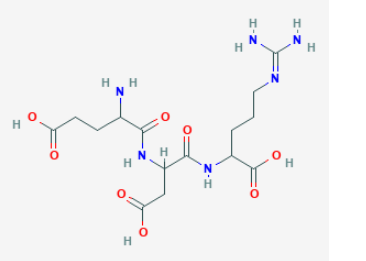
Pinealon is a short peptide consisting of just three amino acids. It is one of a handful of synthetic peptides referred to as peptide bioregulators for their ability to interact directly with DNA to alter gene expression levels. Pinealon has been linked to behavior modification and is thought to help protect a number of cell types, including neurons, against the effects of hypoxia. By direct effect on the pineal gland, pinealon may reduce problems with drug metabolism, circadian rhythm disorders, memory, learning, and more.
Pinealon Structure
Pinealon Interacts Directly with DNA
Unlike most peptides, pinealon does not appear to bind to cell surface or cytoplasmic receptors. This has led scientists to wonder how the short peptide can have any effect. In the past, it was suggested that pinealon may be small enough to cross lipid bilayers (e.g. the cell membrane, nuclear membrane) and may therefore be able to interact directly with DNA. Testing in cell cultures (HeLa cells) indicates that pinealon directly penetrates the cell membrane as well as the nuclear membrane to interact with DNA[1]. This makes pinealon a regulator of gene expression and explains the peptide’s myriad effects that cannot be explained by receptor interactions.
Pinealon Research
Pinealon Research and Aging
Pinealon may have anti-aging effects in the central nervous system. Research from Russia indicates that pinealon and a similar peptide, vesugen, are anabolic in the brain and can actually slow the rate of aging when calculated using biological age indicators[2]. Pinealon is active in cells outside of the central nervous system as well. Research shows that the peptide also has effects on muscle cells where it alters the expression of irisin[3]. Irisin is important to protecting muscle cells during exercise, promotes fat burning, and is thought to induce telomere elongation as well. By increasing the lifespan of irisin, pinealon boosts telomere protection and helps to fight off the effects of aging and oxidative stress. In fact, plasma irisin levels are directly linked to telomere length in healthy adults and levels of the enzyme have been directly linked to calorie restriction, one of the few activities known beyond doubt to prolong life and improve overall fitness[4]. Interestingly, there is evidence that irisin is active outside of muscle cells and that pinealon may therefore have anti-aging effects that are broadly distributed throughout the body, including the brain.
Pinealon Research and Neuron Protection
Research in prenatal rats indicates that pinealon protects neurons against oxidative stress and thus protects cognitive function and motor coordination[5]. The study showed marked decreases in both reactive oxygen species accumulation as well as number of necrotic cells in the brain in these rats. In other words, pinealon protects neurons from dying. The findings of the prental rat study discussed above have been confirmed in separate studies and extended in others. Confirmation that pinealon protects against reactive oxygen species and reduces necrotic cell death also came with the understanding that the peptide modifies the cell cycle as part of its protection against cell death[6]. This was one of the first indications that pinealon was almost certainly interacting at the level of DNA. Interestingly, pinealon modulates the cell cycle by activating proliferation pathways. Under normal circumstances, this would lead to an increase in cell number, but under the setting of oxidative stress, this effect simply offsets some of the damaging effects of reactive oxygen species. 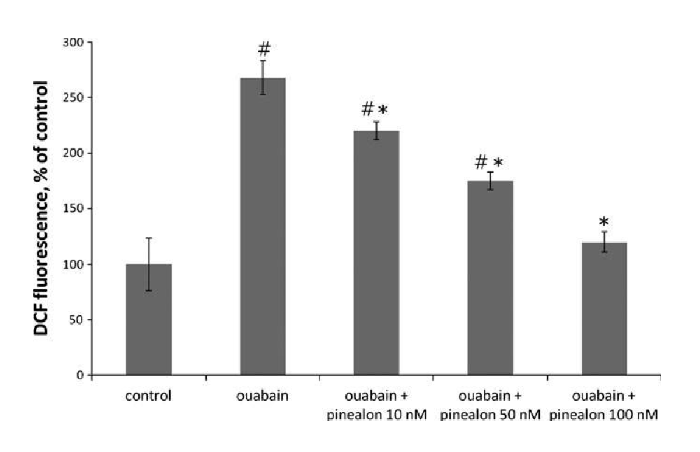
Pinealon research and Depression
Research in cultures of brain cortex cells indicate that pinealon can boost expression of 5-tryptophan hydroxylase via epigenetic changes. 5-tryptophan hydroxylase is critical to the production and secretion of serotonin, a peptide known to have neuroprotective and geroprotective features[9]. It is also the signaling molecule most often targeted by anti-depressive drugs called selective-serotonin reuptake inhibitors (SSRIs). SSRIs have a number of side effects, however, and the ability to boost serotonin production organically could offer a means of fighting depression that is more physiologic and thus reduce side effects.
Pinealon Protects Cells from Caspase-3 and Cell Death
The initial understanding that pinealon could affect the cell cycle came from research into the effects of the peptide in rat models of ischemic stroke. These studies revealed that pinealon affects cytokine signaling that normally leads to an increase in levels of the caspase-3 enzyme[10]. Caspase-3 is directly responsible for initiating apoptosis, or the controlled death of a cell via genetic instruction. By modulating caspase-3, pinealon shuts down at least one pathway to cell death and thus reduces the effects of oxygen deprivation during stroke. Caspase-3 is not only active in neurologic tissue though, it is almost universal. Research using models of heart attack indicates that pinealon may reduce caspase-3 levels following myocardial infarction[11]. The short peptide may have application both in treating heart attack and in preventing the long-term remodeling that causes so much dysfunction following a myocardial infarction. The benefit of pinealon in suppressing caspase-3 expression has been demonstrated in skin cells. By reducing apoptosis in the skin, pinealon promotes cell proliferation in both young and old animals alike. This leads to an increase in the regenerative process and has been shown to offset age-related pathology in the skin[12]. Pinealon may eventually form part of a multi-faceted approach to wound healing and could have application in everything from sun protection to serious burn treatment.
Pinealon Research and Sleep Regulation
It should come as no surprise, given its names, that pinealon affects that sleep-wake cycle as well as sleep behavior. Research indicates, that pinealon may help to regulate the dysfunction caused by shift-work and other activities (e.g. long-distance travel) that interfere with normal sleep patterns. The peptide actually appears to reset the pineal gland to baseline in the setting of circadian rhythm disruption, improving sleep, depression, mood, blood pressure, and more as a result[13]. The ability to regulate sleep actually corresponds strongly with rates of aging. Disturbed sleep is a recipe for disaster in the body and affects cognition, cardiac health, wound healing, mood, and more. Pinealon may therefore help to reduce the impact of sleep disturbance and thus offset the effects that it has on aging. This could be beneficial not only to those forced into disorder sleep due to their jobs, but to individuals suffering from organic disease that impacts sleep-wake cycles. Pinealon exhibits minimal side effects, low oral and excellent subcutaneous bioavailability in mice. Per kg dosage in mice does not scale to humans. Pinealon for sale at Peptide Gurus is limited to educational and scientific research only, not for human consumption. Only buy Pinealon if you are a licensed researcher.
Article Author
The above literature was researched, edited and organized by Dr. Logan, M.D. Dr. Logan holds a doctorate degree from Case Western Reserve University School of Medicine and a B.S. in molecular biology.
Scientific Journal Author

Related products
Bioregulators


Bioregulators

Bioregulators

Bioregulators

Bioregulators

Bioregulators


Bioregulators
Bioregulators